Have you ever envisioned a world where your lighting anticipates your every mood, adapts seamlessly to your environment, and even contributes to your well-being? By 2026, the humble LED strip light is evolving into just that—a sophisticated, intelligent, and indispensable element of modern living. As a seasoned technician with over a decade in LED technology, particularly with strip lights, I’ve witnessed firsthand the remarkable transformation of these versatile illuminators. While the term “Laser LED Strip” might spark visions of science fiction, the reality by 2026 is an equally impressive fusion of advanced LED engineering, smart connectivity, and unparalleled design flexibility, pushing the boundaries of what strip lighting can achieve. Join us as we delve into the cutting-edge advancements defining the next generation of LED strip lights.
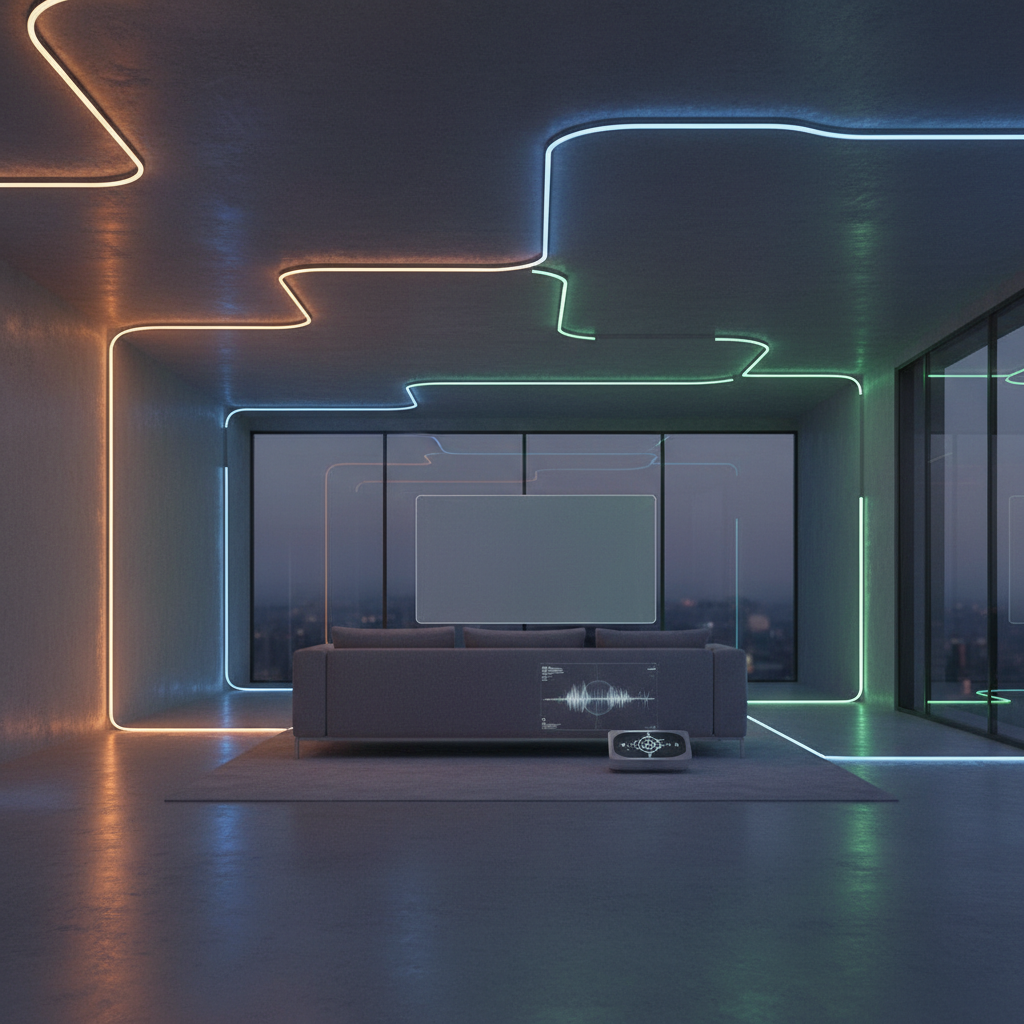
LED Strip Lights: An Evolving Illumination Paradigm
LED strip lights, often called LED tape or ribbon lights, are essentially flexible circuit boards populated with surface-mounted light-emitting diodes (LEDs). Their fundamental structure allows for incredible versatility: a series of tiny, efficient light sources mounted on a thin, bendable substrate, often backed with adhesive for easy installation. This design has enabled them to transcend their early decorative roles, becoming a staple in both functional and aesthetic lighting applications across homes, businesses, and public spaces.
The journey of LED strip lights began with basic monochromatic options, primarily used for accent lighting. However, rapid technological advancements, especially in miniaturization and power efficiency, quickly led to the development of RGB (Red, Green, Blue) LEDs, enabling a spectrum of color-changing possibilities. This innovation opened doors to dynamic mood lighting and personalized environments. Today, these advancements continue to accelerate, propelling LED strip lights towards a future where they are not merely light sources but integral components of intelligent, adaptive ecosystems.
Current popular types include 12V and 24V strips, available in single white, tunable white (adjusting color temperature from warm to cool), and RGB/RGBW/RGBIC (for multi-color and addressable individual LED control). Their widespread applications range from under-cabinet kitchen lighting and architectural accents to retail displays and vibrant entertainment setups.
Unpacking the “Laser” in Future LED Strip Lighting
When we speak of “Laser LED Strips” in the context of 2026, it’s crucial to clarify that this term typically refers not to strip lights that emit literal laser beams, but rather to the precision, intensity, and cutting-edge performance that next-generation LED strips are achieving. While a distinct technology known as Laser Excited Phosphor (LEP) exists—which uses a laser to excite a phosphor material, producing a highly focused, intense beam ideal for long-range applications like flashlights or projectors—it remains a separate lighting solution, not directly integrated into the flexible strip format for general illumination.
Instead, the “laser” in “Laser LED Strips” by 2026 signifies a paradigm shift in LED strip capabilities. It embodies the relentless pursuit of perfection in light quality, efficiency, and control. This “laser-like” advancement is achieved through a combination of:
- Micro-LED and Mini-LED Technologies: Allowing for higher density, finer pixel control, and more uniform light output, effectively eliminating visible “dots” or “hotspots.”
- Advanced Optical Design: Enhancing light distribution, focus, and minimizing light spill for precise illumination where it’s needed most.
- Superior Semiconductor Materials: Driving LEDs to unprecedented levels of brightness (lumens per watt) and color accuracy (CRI).
- Integration with AI and Smart Control: Enabling dynamic, adaptive lighting scenarios with a level of accuracy and responsiveness that can feel almost “surgical” in its application.
By 2026, the concept of “Laser LED Strips” therefore represents LED strip lights that are at the forefront of innovation, delivering high-performance, intelligent, and meticulously controlled lighting experiences, even without incorporating actual laser beams into their flexible design.
The Unrivaled Advantages of Next-Gen LED Strip Lights
The evolution of LED strip lights is driven by a host of compelling advantages, which are only set to be amplified by 2026. These next-generation benefits make them an irresistible choice for diverse applications.
Energy Efficiency Redefined: One of the most significant appeals of LED lighting is its remarkable energy efficiency, and by 2026, this will reach new heights. Future LED strips are anticipated to surpass 200 lumens per watt, making them nearly ten times more efficient than traditional incandescent bulbs. This dramatic reduction in power consumption directly translates to lower electricity bills for consumers and businesses alike, and a substantial decrease in carbon footprint, aligning with global sustainability goals.
Exceptional Longevity: LED strip lights are renowned for their impressive lifespan, typically lasting between 25,000 and 100,000 hours, depending on their quality and usage. This longevity significantly reduces the need for frequent replacements and maintenance, offering substantial cost savings over time. For commercial installations in hard-to-reach areas, this extended operational life is particularly valuable, minimizing disruption and labor costs.
Unprecedented Flexibility and Ease of Installation: The inherent flexibility of LED strips, combined with ongoing miniaturization of components, makes them incredibly adaptable. They can be cut to specific lengths, bent around contours, and installed in previously inaccessible spaces. The ubiquitous adhesive backing ensures quick and straightforward setup, often requiring no specialized tools. By 2026, modular and customizable designs will further enhance this flexibility, allowing users to tailor lighting systems to exact specifications.
Dynamic Color and Advanced Effects: The ability to transform ambient lighting with a myriad of colors and effects is a core strength of LED strip lights. Future models will offer millions of color options, precise color tunability, and dynamic effects such as smooth gradient shifts, chase effects, and even synchronization with music or other media. This empowers users to create highly personalized and immersive environments, whether for enhancing a home theater or setting the mood for a special event.
Enhanced Safety and Environmental Responsibility: Modern LED strip lights are inherently safer than many traditional lighting alternatives. They operate at lower temperatures, reducing the risk of burns or fire hazards. Crucially, they contain no mercury or other hazardous gases, making them a more environmentally friendly option for disposal. The industry’s focus on sustainable manufacturing, including using biodegradable plastics and recycled metals, will further amplify their ecological benefits by 2026.
Comparative Outlook: Evolution of LED Strip Light Technologies (2026)
By 2026, the landscape of LED strip lighting will feature several advanced categories, each offering distinct capabilities to meet evolving consumer and commercial demands. Here’s a comparative outlook on these future technologies:
| Type of LED Strip Light (2026) | Smart Features | Efficiency (Lumens/Watt) | Design & Light Quality | Key Applications | Estimated Adoption |
|---|---|---|---|---|---|
| Standard Smart RGB/Tunable White | App/Voice control, basic scheduling | 150-180 lm/W | Vibrant colors, adjustable white tones, visible pixels | Decorative accents, mood lighting, general home use | Widespread |
| Human-Centric/Circadian | IoT integration, AI-adaptive, circadian syncing, occupancy sensing | 180-200+ lm/W | Mimics natural daylight cycles, flicker-free, high CRI | Offices, healthcare, residential (wellness-focused), hospitality | Growing |
| Advanced Modular/Pixel-Free | Segmented control, custom programming, smart home integration | 180-210+ lm/W | Uniform light, no visible pixels, seamless lines, high brightness | Architectural lighting, art installations, retail displays, direct-view | Emerging Specialist |
| UV-Disinfection Integrated | Occupancy sensors, scheduled disinfection cycles | 100-150 lm/W (for visible light) | Standard visible light, integrated UV-C/UV-A for disinfection | Healthcare, commercial spaces, public transport (when unoccupied) | Niche, rapid growth |
Navigating the Future: A Buyer’s Guide to Advanced LED Strip Lights in 2026
Choosing the right advanced LED strip light in 2026 involves more than just picking a color. It requires a thoughtful approach to ensure your investment aligns with both your immediate needs and future aspirations for smart living.
1. Determine Your Core Needs: Start by defining the primary purpose. Is it for ambient mood lighting, task illumination, architectural accent, or a specialized application like health-centric lighting or disinfection? Consider the installation location—indoor or outdoor, dry or wet, visible or concealed. This will dictate requirements for brightness, color capabilities, and IP ratings.
2. Prioritize Smart Features and Connectivity: By 2026, smart integration is paramount. Look for strips that offer seamless connectivity with your existing smart home ecosystem (e.g., Apple HomeKit, Google Home, Amazon Alexa, Matter). Prioritize features like mobile app control, voice command compatibility, remote access, and advanced scheduling options. If human-centric lighting is a goal, ensure the system supports circadian rhythm syncing and adaptive light control.
3. Evaluate Light Quality and Efficiency: Don’t just chase lumens; consider the quality of light. High Color Rendering Index (CRI) is crucial for accurate color perception. For functional lighting, aim for high lumens per watt to maximize energy savings. For design-focused applications, explore “pixel-free” or COB (Chip-on-Board) LED strips that offer uniform, dot-free illumination.
4. Check for Quality and Certifications: Invest in products from reputable manufacturers that adhere to industry standards. Look for certifications like Energy Star, DLC (DesignLights Consortium), or LEED compatibility, which indicate energy efficiency, performance, and environmental responsibility. These certifications are becoming increasingly important benchmarks for quality and sustainability.
5. Consider Modularity and Customization: Future-proof your lighting. Modular LED strip systems allow for easy expansion, reconfiguration, and tailoring to specific design visions. Assess if the strips can be easily cut, rejoined, and if accessories like connectors, diffusers, and mounting channels are readily available to achieve your desired aesthetic and functionality.
6. Compare Total Cost of Ownership: While advanced features might have a higher upfront cost, consider the long-term economic benefits. High-efficiency LEDs mean significantly lower electricity bills, and their extended lifespan reduces maintenance and replacement expenses over several years, often resulting in a lower total cost of ownership compared to cheaper, less efficient alternatives.
Leading the Charge: Innovators in LED Strip Light Technology
The rapid evolution of LED strip lights by 2026 is fueled by a diverse ecosystem of innovators. These companies aren’t just selling lights; they’re developing comprehensive lighting solutions.
- Smart Home Technology Giants: Companies deeply integrated into the IoT ecosystem are leading the charge in developing highly intelligent LED strip lights. Their focus is on seamless connectivity, AI-driven automation, and user-friendly interfaces that allow lights to adapt to behaviors, schedules, and environmental conditions.
- Specialized LED Manufacturers: Firms dedicated solely to LED technology are pushing the boundaries of raw performance—achieving higher lumens per watt, superior color accuracy, and groundbreaking miniaturization. They are developing advanced materials and manufacturing techniques that contribute to the durability and efficiency of next-gen strips.
- Architectural and Design-Focused Lighting Brands: These innovators prioritize aesthetics and unique applications. They are behind developments like pixel-free LED strips, modular systems, and highly flexible designs that allow architects and interior designers unprecedented creative freedom, transforming lighting into a core element of space design.
- Health and Wellness Tech Companies: A growing segment focuses on human-centric lighting. These companies are integrating advanced sensors and sophisticated algorithms to develop LED strips that actively support circadian rhythms, enhance well-being, and even offer features like UV disinfection for healthier indoor environments.
These innovators are collaboratively shaping a future where LED strip lights are not only brighter and more efficient but also profoundly integrated into our daily lives, making our spaces smarter, healthier, and more dynamic.
Mastering the Integration: Installation and Maintenance for 2026’s LED Strips
Installing and maintaining advanced LED strip lights in 2026 is more intuitive than ever, though precision and adherence to best practices remain key to unlocking their full potential and ensuring longevity.
Detailed Installation Guidance:
- Plan Your Layout: Before cutting or adhering, map out the entire run. Measure accurately and mark cutting points (usually indicated on the strip). For complex designs, use flexible connectors rather than sharp bends to prevent damage.
- Ensure a Clean Surface: For optimal adhesion, the installation surface must be clean, dry, and smooth. Use rubbing alcohol to clean the area thoroughly.
- Correct Power Supply: Always use a power supply (driver/transformer) that matches the voltage (12V or 24V) and exceeds the total wattage requirement of your LED strips. Overloading can lead to flickering or premature failure.
- Secure Connections: For longer runs or multiple segments, ensure all connections (solderless connectors or soldered joints) are firm and secure. Test the entire run before final mounting.
- Heat Management: While modern LEDs generate less heat, proper heat dissipation is crucial for longevity. Installing strips in aluminum channels not only provides a cleaner aesthetic but also acts as a heatsink, extending the life of your LEDs.
Safety Considerations:
- Electrical Safety: Always disconnect power before installation or maintenance. If working with higher voltage systems or complex wiring, consult a qualified electrician.
- IP Ratings: Ensure the strip’s IP (Ingress Protection) rating is appropriate for the environment. IP65 for splash resistance (bathrooms, covered patios) and IP67 for more direct water exposure (outdoor use) are common. Ensure all connectors and power supplies also meet the necessary IP rating for wet locations.
Usage and Maintenance for Longevity:
- Optimal Use: While LEDs have long lifespans, turning them off when not needed can further extend their operational life. Utilize smart scheduling features to automate this.
- Keep it Cool: Avoid enclosing strips in airtight spaces where heat can build up. Good airflow or the use of aluminum channels is recommended.
- Software Updates: For smart LED strips, regularly update the companion app and device firmware to ensure optimal performance, security, and access to new features.
- Gentle Cleaning: Periodically dust the strips to maintain brightness and prevent heat buildup. For waterproof strips, a damp cloth can be used. Avoid harsh chemicals.
Troubleshooting Common Issues:
- Flickering: Often indicates an insufficient power supply or a loose connection. Check wattage requirements and all wiring.
- Inconsistent Color/Brightness: Can be due to voltage drop over long runs (especially with 12V strips), requiring parallel wiring or a power injector. It could also point to a faulty segment or controller.
- Connectivity Issues: For smart strips, ensure your Wi-Fi network is stable and the strip is within range. Re-pairing the device or resetting the router might help.
By following these guidelines, you can maximize the performance, safety, and lifespan of your advanced LED strip lights, ensuring they continue to enhance your spaces well into the future.
Conclusion
The evolution of LED strip lights by 2026 signifies a profound transformation in how we interact with light. Far from their basic beginnings, these intelligent illuminators are now at the forefront of technological innovation, embodying a future defined by unparalleled energy efficiency, smart integration, and a deep commitment to human well-being and environmental sustainability. While the term “Laser LED Strip” hints at extraordinary performance, it’s the ingenious advancements in LED technology itself—from pixel-free designs to circadian syncing and AI-driven adaptability—that truly deliver this cutting-edge vision.
As we look towards 2026, LED strip lights are not just illuminating our spaces; they are enhancing our experiences, conserving our resources, and seamlessly integrating into the fabric of our smart homes and cities. The future of lighting is here, flexible and brilliant. How will these advanced LED strip lights transform your world?
Frequently Asked Questions
What are the main benefits of upgrading to advanced LED strip lights by 2026?
|
Our Picks for the Best LED strip light in 2026
As an Amazon Associate I earn from qualifying purchases.
|
||
| Num | Product | Action |
|---|---|---|
| 1 | Govee RGBIC LED Strip Lights, Smart LED Lights for Bedroom, Bluetooth LED Lights APP Control, DIY Multiple Colors on One Line, Color Changing LED Strip Lighting Music Sync, Home Decor, 16.4ft |

|
| 2 | White Led Strip Lights for Bedroom Small Dimmable LED Lights Strip 16.4ft Super Bright Flexible LED Tape Lights Rope Light for for Room Home Decor Luces Leds for Living Room Kitchen Vanity Mirror |
|
| 3 | Govee 100ft RGBIC LED Strip Lights, Smart LED Lights Work with Alexa and Google Assistant, LED Lights for Bedroom WiFi App Control Segmented DIY Multiple Colors, Color Changing Light, (2 x 50ft) |
|
| 4 | Govee White LED Strip Lights, Upgraded 16.4ft Dimmable LED Light Strip 6500K Bright Daylight White, Strong Adhesive, 300 LEDs Flexible Tape Lights for Mirror, Kitchen Cabinet, Bedroom, Christmas Decor |
|
| 5 | DAYBETTER LED Strip Lights 110ft, Smart Lighting Strips with App Remote Control, RGB Music Sync Color Changing Lights for Bedroom Kitchen Party Home Decor Luces led para cuarto (1 Roll) |
|
| 6 | DAYBETTER Led Strip Lights 32.8ft Kit with Remote and Power Supply Color Changing |
|
| 7 | NBBUFF Led Lights for Bedroom 50ft (1 Roll), Color Changing RGB Led Strip Lights with 60 Keys Remote and App Control, Music Sync Led Lights for Room Kitchen Party Home Decor |
|
| 8 | Barrina (6 Pack LED T5 Integrated Single Fixture, 4FT, 2200lm, 6500K Super Bright White, 20W Utility LED Shop Light, Ceiling and Under Cabinet Light, Corded Electric with ON/Off Switch, ETL Listed |
|
| 9 | dalattin White LED Strip Lights, 20ft Dimmable Super Bright 24V Led Tape Light 6500K 360 LEDs Lights for Bedrooms, Mirror, Kitchen, Home Decoration Daylight White |
|
| 10 | KSIPZE 100ft Led Strip Lights RGB Music Sync Color Changing Led Lights with Smart App Control Remote Led Lights for Bedroom Room Lighting Flexible Home Décor |
|
By 2026, advanced LED strip lights offer superior energy efficiency (over 200 lumens/watt), extended lifespans, precise smart control through IoT and AI, adaptive lighting for human well-being, and enhanced design flexibility, all contributing to significant cost savings and a reduced environmental footprint.
Is “Laser LED Strip” a real technology, or is it a misconception for 2026?
“Laser LED Strip” as a literal laser-emitting flexible light strip is not a mainstream technology by 2026. The term is likely used to denote the precision, intensity, and advanced capabilities that cutting-edge LED strip lights achieve through improved LED technology, smart controls, and optical design, not actual laser beams for general illumination.
How do human-centric LED strip lights work to improve well-being?
Human-centric LED strip lights integrate sensors and smart controls to adjust light output throughout the day, mimicking natural sunlight. This includes providing cooler, alertness-promoting light in the mornings and warmer, relaxing light in the evenings, which helps regulate circadian rhythms, potentially improving sleep, mood, and productivity.
Can future LED strip lights be controlled by voice commands or AI?
Absolutely. By 2026, advanced LED strip lights are fully integrated into IoT ecosystems, allowing seamless control via popular voice assistants like Amazon Alexa and Google Assistant, as well as through AI-driven platforms that can adapt lighting in real-time based on user behavior and environmental conditions.
What are “pixel-free” LED strip lights, and why are they important for design in 2026?
“Pixel-free” LED strip lights, often achieved with COB (Chip-on-Board) technology or advanced diffusers, emit a continuous, uniform line of light without visible individual LED dots. They are crucial for aesthetic design in 2026 because they create a clean, sophisticated look, making them ideal for architectural accents, retail displays, and any application where direct viewing of the light source is desired without visual distractions.
Are LED strip lights environmentally friendly by 2026?
Yes, by 2026, LED strip lights are among the most environmentally friendly lighting options. They consume significantly less energy, have exceptionally long lifespans (reducing waste), contain no mercury or hazardous materials, and are increasingly manufactured with eco-friendly, recyclable components and greener supply chain practices.