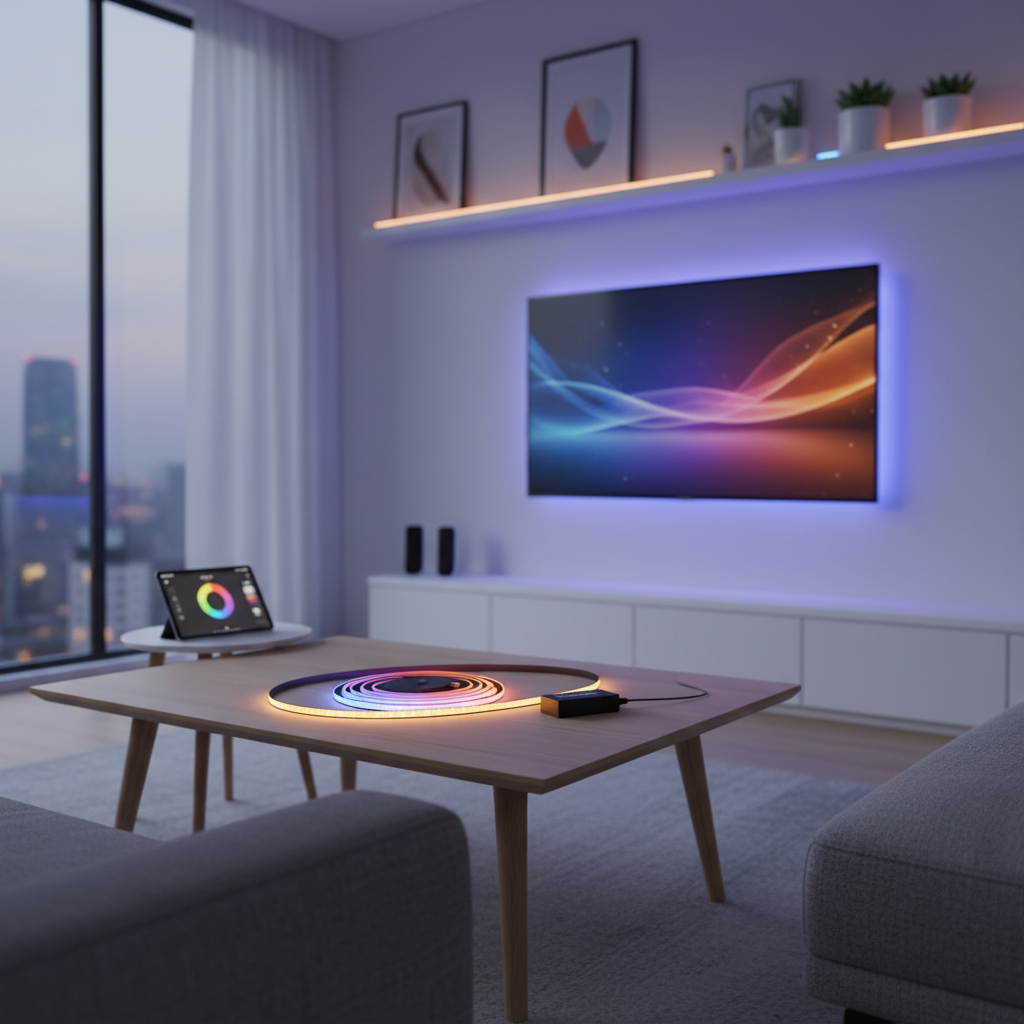
LED strip lights have revolutionized modern illumination, offering unparalleled versatility and aesthetic appeal. From accentuating architectural features to providing vibrant task lighting, their compact form factor and energy efficiency make them a favorite for designers and DIY enthusiasts alike. However, for these flexible light sources to truly shine and endure, one crucial aspect often goes overlooked: effective heat management. The hidden enemy of any LED is heat, and without proper dissipation, even the most advanced LED strips can suffer premature failure, color shifts, and diminished brightness. This is where aluminum channels, often referred to as LED profiles or extrusions, step in as the unsung heroes of longevity and performance, providing not just structural integrity but vital heat syncing capabilities.
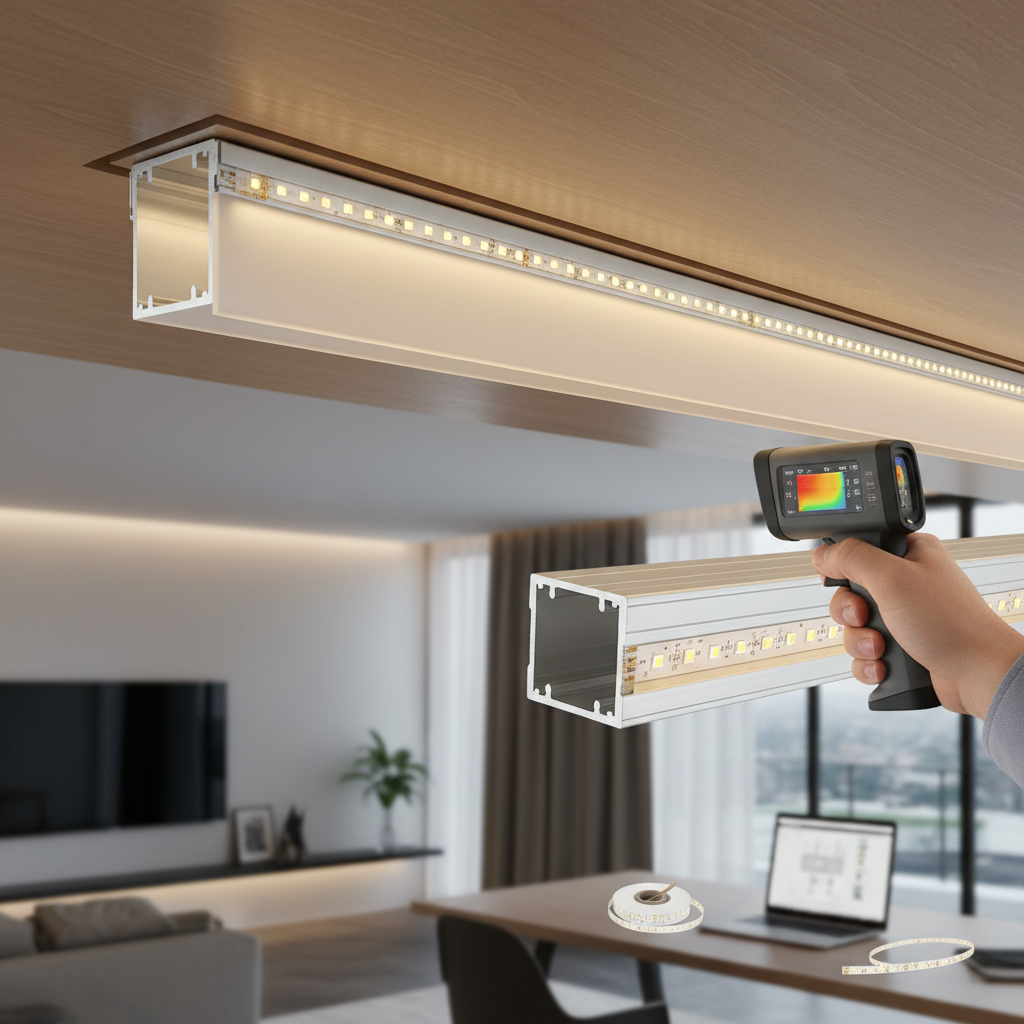
This comprehensive guide will delve into the essential role aluminum channels play in preserving your LED strip investments. We’ll explore why LEDs generate heat, how aluminum channels effectively dissipate it, the various types available to suit any project, a practical buying guide, and critical installation tips to ensure your LED strips not only look fantastic but also last for years to come.
Understanding LED Strip Heat and Why Heat Syncing is Crucial
Despite their reputation for energy efficiency, LED strips do generate heat during operation. While they produce significantly less heat than traditional incandescent bulbs, the small, densely packed light-emitting diodes convert electrical energy into both light and heat. This thermal energy, if left unmanaged, can accumulate within the LED components themselves.
The consequences of poor heat dissipation are detrimental to the lifespan and performance of your LED strips. Excessive heat can cause the LED chips to degrade faster, leading to a phenomenon known as “lumen depreciation,” where the light output gradually diminishes over time. You might also notice undesirable color shifts, as the phosphors within the LEDs become less efficient at high temperatures. Ultimately, prolonged exposure to high operating temperatures significantly shortens the overall lifespan of the LED strip, leading to early failure and the need for costly replacements. This is why heat syncing is not merely an optional accessory but a critical component for maintaining the efficiency, color consistency, and longevity of your LED lighting system.
The Role of Aluminum Channels in Thermal Management
Aluminum channels are long, typically U-shaped extrusions crafted from aluminum alloy, designed to snugly house LED strip lights. Their primary function, beyond providing a clean aesthetic and physical protection, is to act as a highly efficient heat sink. Aluminum is an excellent thermal conductor, meaning it readily absorbs heat from the LED strip and then disperses it into the surrounding environment through its larger surface area.
When an LED strip is adhered to the base of an aluminum channel, the channel effectively draws heat away from the delicate LED components. This process, known as passive cooling, keeps the LED chips operating at optimal temperatures. By preventing heat buildup, aluminum channels dramatically improve the performance and can extend the lifespan of LED strips by years, potentially up to 50%. Without an aluminum profile, LED strip lighting is far more prone to losing brightness, changing color, or failing prematurely.
Beyond thermal benefits, aluminum channels offer several other key advantages:
- Physical Protection: They shield LED strips from dust, moisture, and accidental physical impact, crucial for installations in high-traffic areas or environments where cleanliness is vital.
- Enhanced Aesthetics: Channels hide unsightly wires and the individual “dot effect” of LEDs, providing a continuous, uniform line of light, especially when paired with a diffuser. This transforms a basic LED strip into a sleek, professional-looking fixture.
- Easy Installation: They simplify the mounting process, ensuring your LED strips remain perfectly straight and securely in place.
- Light Diffusion: Most channels come with a snap-on or slide-in diffuser (often made of polycarbonate or acrylic) that softens the light, reduces glare, and creates a more pleasant, ambient glow.
Types of Aluminum Channels for Optimal Heat Dissipation
The market offers a wide array of aluminum channels, each designed for specific installation scenarios and aesthetic preferences. While all types contribute to heat dissipation, their form factors influence how effectively they integrate into a space and manage thermal output.
- Surface Mount Channels (U-Shape): These are the most common type, featuring a simple U-shaped profile that is easily mounted directly onto any flat surface using screws or adhesive. They are versatile for general ambient or accent lighting and provide good heat dissipation.
- Recessed/Flange Mount Channels: Designed to be installed flush with a surface (like a wall, ceiling, or cabinet), these channels create a seamless, integrated lighting effect. The larger surface area often provided by recessed designs can offer excellent heat dissipation.
- Corner Mount Channels (V-Shape): Specifically shaped for 90-degree angles, these are ideal for under-cabinet lighting, display cases, or highlighting architectural corners. They ensure a clean finish and effective light projection in angled applications.
- Wide Channels: With a larger inner cavity, these channels can accommodate wider LED strips or multiple rows of standard strips. The increased surface area inherently improves heat dissipation, making them suitable for high-brightness applications where more heat is generated.
- Suspended Channels: Designed to be hung from ceilings, often with a more decorative or architectural profile. Some even come in round or other unique shapes. These are great for open spaces and provide ambient or task lighting.
- Flexible Channels: Made with a more pliable aluminum or designed with articulation points, these channels can be hand-bent to follow curved surfaces, enabling creative lighting designs that would be impossible with rigid profiles.
- Plaster-in Channels: These are designed to be plastered directly into drywall, offering the most seamless, trimless integration for a truly minimalist aesthetic.
Understanding these types allows you to choose a channel that not only performs its thermal management duty but also perfectly complements your design vision.
Comparison of Common Aluminum Channel Profiles
Choosing the right profile is key to both performance and aesthetics. Here’s a comparison of common types:
| Profile Type | Description | Heat Dissipation Efficacy | Aesthetic Integration | Best Use Case |
|---|---|---|---|---|
| Standard Surface Mount | Basic U-shape, easily attached to any flat surface. | Good | Visible, clean, and modern | Under cabinets, shelves, general accent lighting. |
| Deep Recessed Mount | Sits flush within a surface, concealed edges. | Excellent | Seamless, integrated | Architectural lighting, hidden cove lighting. |
| Wide Channel | Larger interior for wider or multiple LED strips. | Very Good | Can be prominent or hidden | High-brightness applications, primary lighting. |
| Corner Channel | V-shaped or L-shaped for 90-degree installations. | Good | Clean corner finish | Under-cabinet, display cases, wall-to-ceiling transitions. |
| Suspended Channel | Designed to hang from ceilings, often with decorative elements. | Good | Modern, statement lighting | Open-plan offices, restaurants, high ceilings. |
Choosing the Right Aluminum Channel for Your LED Project (Buying Guide)
Selecting the ideal aluminum channel involves more than just aesthetics; it’s about balancing functionality, thermal performance, and your specific project requirements.
-
Determine Your Usage Needs:
- Purpose: Is it for ambient lighting, task lighting, decorative accents, or high-brightness illumination? Higher-brightness or longer-run LED strips will generate more heat, necessitating more robust channels with greater surface area for heat syncing.
- Location: Indoor or outdoor? Exposed to moisture, dust, or direct sunlight? Outdoor or wet-location applications require channels with appropriate IP ratings, often achieved with specific diffusers and end caps.
- Space: The physical dimensions and visual prominence you desire. Do you want the light source to be invisible, or is the fixture part of the design?
-
Match Channel Type to Installation:
- Consider where the channel will be mounted. Surface mount for easy application, recessed for a flush, integrated look, or corner mount for angled installations. This decision directly impacts how much heat the channel can dissipate and how it integrates into your design.
-
Evaluate Material Quality and Dimensions:
- Aluminum Thickness: Thicker aluminum generally provides better heat dissipation due to more material to absorb and transfer heat.
- Channel Width and Depth: Ensure the channel is wide enough to comfortably fit your LED strip, with some extra space for wiring if needed. Deeper channels, especially with frosted diffusers, can help minimize the “dot effect.”
- Anodized Finish: An anodized aluminum finish not only enhances durability and corrosion resistance but can also slightly improve radiative heat transfer.
-
Consider Diffuser Type:
- Clear Diffuser: Offers maximum light transmission but may show individual LED dots.
- Frosted/Opal Diffuser: Provides good light diffusion, reduces glare, and creates a more uniform light line, though with a slight reduction in light output (typically 10-15% loss). This is the most common choice for aesthetic appeal.
- Milky White Diffuser: Offers the most uniform light distribution, but with a greater light loss (around 30-35%).
-
Compare Prices and Suppliers:
- While cost is a factor, prioritize quality. Investing in a good aluminum channel upfront can save you money and headaches by significantly extending the life of your LED strips. Look for suppliers with positive reviews and clear product specifications.
Quality Considerations for Aluminum Channels
While specific brand names for aluminum channels may vary regionally, focusing on key quality indicators ensures you select a product that performs optimally for heat syncing and longevity.
- Material Composition: Always ensure the channels are made from high-grade aluminum. Aluminum alloys like 6063-T5 are commonly used due to their excellent thermal conductivity and strength.
- Wall Thickness: As mentioned, thicker aluminum walls contribute to better thermal mass and surface area for heat dissipation. Substantial channels feel robust and perform better.
- Anodization Quality: A well-applied anodized finish protects the aluminum from corrosion and minor abrasions, extending the channel’s lifespan and maintaining its aesthetic.
- Fit and Finish: High-quality channels will have smooth, clean edges, precise dimensions, and diffusers that snap or slide into place securely without gaps. This not only looks professional but also prevents dust and moisture ingress.
- Compatibility: Ensure the channel is compatible with your chosen LED strip light in terms of width and, if applicable, power output (e.g., some high-power COB strips might benefit from wider or finned channels).
“LEDs generate heat, especially high-brightness models or those driven at maximum power. Heat is the number-one enemy of LED diodes. Without adequate cooling, junction temperature rises, light output becomes less efficient (lumens/watt drops), and lifespan plummets dramatically.”
Installation Best Practices for Enhanced Heat Syncing
Proper installation is paramount to ensuring your aluminum channels effectively dissipate heat and maximize the lifespan of your LED strips.
- Measure and Cut Precisely: Accurately measure the required length of your channel and LED strip. Cut the aluminum channel using a hacksaw with a fine-tooth blade or a miter saw for clean edges, then deburr any rough spots. Remember to cut LED strips only at their designated cut marks to maintain functionality. The LED strip should fit neatly within the channel, ideally a bit shorter than the channel itself to accommodate end caps.
- Mount the Aluminum Channel Securely:
- Clips: The easiest method involves using mounting clips, screwing them into your surface, and then snapping the channel into place.
- Screws: For a more seamless look, drill pilot holes directly through the channel and countersink them, then secure the channel with screws.
- Adhesive: Strong construction adhesive can also be used, ensuring the channel is level and firmly attached.
- Clean and Install the LED Strip: Before attaching the LED strip, ensure the inside of the aluminum channel is clean and free of dust or debris for optimal adhesion. Peel the adhesive backing from the LED strip and carefully press it into the channel, ensuring it lies flat and makes full, consistent contact with the channel’s base. This direct contact is crucial for efficient heat transfer. For high-power LED strips, applying a thin layer of thermal paste between the strip and the channel can further optimize heat transfer.
- Install Diffuser and End Caps: Snap or slide the chosen diffuser cover onto the channel. Attach end caps to both ends of the channel. End caps provide a finished, professional look and help prevent dust and insects from entering the channel, which can impede light output and heat dissipation over time.
- Connect Power Safely: Wire the LED strip to its power supply and controller (if applicable) according to the manufacturer’s instructions. Always ensure safe electrical practices.
Important Considerations:
- Airflow: While aluminum channels provide passive cooling, ensure adequate air circulation around the channels, especially for high-power installations or in enclosed spaces. Trapping heat within an unventilated enclosure, even with a channel, can negate some of its benefits.
- Avoid Over-Driving: Do not operate LED strips beyond their specified voltage and current limits, as this generates excessive heat that even the best heat sink might struggle to dissipate.
Maximizing Longevity and Performance of Your LED Strips
Integrating aluminum channels is a significant step towards ensuring the longevity and optimal performance of your LED strip lighting. However, a few additional practices can further enhance their operational life and efficiency.
- Proper Power Supply Selection: Always use a power supply that matches the voltage requirements of your LED strips and has sufficient wattage headroom (typically 10-20% more than the total wattage of your strips). An undersized or over-stressed power supply can generate excess heat, negatively impacting the entire system.
- Avoid Tight Enclosures: If possible, avoid installing LED channels in extremely tight, unventilated enclosures, especially with high-power strips. Even with a heat sink, trapped ambient heat can reduce cooling efficiency.
- Regular Cleaning: Periodically clean the surface of your aluminum channels and diffusers. Dust and grime buildup can act as an insulating layer, slightly reducing the channel’s ability to dissipate heat and diminishing light output.
- Check Connections: Ensure all electrical connections are secure and properly insulated. Loose connections can generate resistance and heat, potentially affecting the LED strip’s performance.
- Thermal Paste for High-Wattage Strips: As mentioned, for high-power density LED strips, a thin, even layer of thermal paste applied between the LED strip’s adhesive backing and the aluminum channel can significantly improve thermal conductivity and heat transfer efficiency.
By combining the inherent advantages of aluminum channels with these best practices, you create a robust and durable LED lighting system that delivers consistent, high-quality illumination for many years.
Conclusion
LED strip lights offer a world of creative lighting possibilities, but their true potential for longevity and performance is unlocked through effective thermal management. Aluminum channels are indispensable tools in this regard, acting as vital heat sinks that draw warmth away from delicate LED components, preventing premature degradation, color shifts, and diminished brightness. Beyond their primary role in heat syncing, these versatile profiles provide essential physical protection, create a polished aesthetic, and simplify the installation process.
By carefully selecting the right type of aluminum channel for your project, considering factors like LED wattage, installation environment, and desired visual outcome, you are making an investment in the durability and efficiency of your lighting. Coupled with meticulous installation practices and ongoing maintenance, aluminum channels ensure your LED strip lights don’t just illuminate your space, but do so brilliantly and reliably for years to come. So, when planning your next lighting endeavor, remember: a quality aluminum channel is more than just an accessory—it’s the foundation for a truly lasting and luminous experience.
What hidden benefits of using aluminum channels for your LED strips have you discovered in your projects?
Frequently Asked Questions
Can I use LED strips without an aluminum channel?
|
Our Picks for the Best LED strip light in 2026
As an Amazon Associate I earn from qualifying purchases.
|
||
| Num | Product | Action |
|---|---|---|
| 1 | NBBUFF Led Lights for Bedroom 50ft (1 Roll), Color Changing RGB Led Strip Lights with 60 Keys Remote and App Control, Music Sync Led Lights for Room Kitchen Party Home Decor |

|
| 2 | DAYBETTER Led Strip Lights 32.8ft Kit with Remote and Power Supply Color Changing |
|
| 3 | DAYBETTER LED Strip Lights 110ft, Smart Lighting Strips with App Remote Control, RGB Music Sync Color Changing Lights for Bedroom Kitchen Party Home Decor Luces led para cuarto (1 Roll) |
|
| 4 | Barrina (6 Pack LED T5 Integrated Single Fixture, 4FT, 2200lm, 6500K Super Bright White, 20W Utility LED Shop Light, Ceiling and Under Cabinet Light, Corded Electric with ON/Off Switch, ETL Listed |
|
| 5 | White Led Strip Lights for Bedroom Small Dimmable LED Lights Strip 16.4ft Super Bright Flexible LED Tape Lights Rope Light for for Room Home Decor Luces Leds for Living Room Kitchen Vanity Mirror |
|
| 6 | Govee White LED Strip Lights, Upgraded 16.4ft Dimmable LED Light Strip 6500K Bright Daylight White, Strong Adhesive, 300 LEDs Flexible Tape Lights for Mirror, Kitchen Cabinet, Bedroom, Christmas Decor |
|
| 7 | Govee 100ft RGBIC LED Strip Lights, Smart LED Lights Work with Alexa and Google Assistant, LED Lights for Bedroom WiFi App Control Segmented DIY Multiple Colors, Color Changing Light, (2 x 50ft) |
|
| 8 | dalattin White LED Strip Lights, 20ft Dimmable Super Bright 24V Led Tape Light 6500K 360 LEDs Lights for Bedrooms, Mirror, Kitchen, Home Decoration Daylight White |
|
| 9 | KSIPZE 100ft Led Strip Lights RGB Music Sync Color Changing Led Lights with Smart App Control Remote Led Lights for Bedroom Room Lighting Flexible Home Décor |
|
| 10 | Govee RGBIC LED Strip Lights, Smart LED Lights for Bedroom, Bluetooth LED Lights APP Control, DIY Multiple Colors on One Line, Color Changing LED Strip Lighting Music Sync, Home Decor, 16.4ft |
|
While low-power LED strips in well-ventilated areas might operate without a channel, it is generally not recommended. Aluminum channels are crucial for heat dissipation, significantly extending the LED strip’s lifespan and maintaining its brightness and color consistency. They also offer essential protection and a professional finish.
Do all LED strips need heat syncing?
Most LED strips benefit greatly from heat syncing, especially higher-brightness or “high-density” models, and those used for prolonged periods. Heat is the primary enemy of LED lifespan and performance, so actively managing it with an aluminum channel is a best practice for almost any installation.
What is the best material for LED heat sinks?
Aluminum is widely considered the best material for passive LED heat sinks due to its excellent thermal conductivity, lightweight nature, and affordability. Its ability to absorb and dissipate heat efficiently makes it ideal for extending the lifespan and performance of LED strip lights.
How do I clean aluminum LED channels?
To clean aluminum LED channels, first ensure the power is off. Use a soft, dry cloth to wipe away dust and debris from the diffuser and channel surface. For tougher grime, a lightly dampened cloth with mild soap and water can be used, followed by a dry wipe to prevent water spots. Avoid abrasive cleaners.