Have you ever walked into a perfectly lit room where the light seems to emerge from nowhere, creating a captivating ambiance without any visible light fixtures? This magical effect is often achieved with black PCB LED strip lights. For homeowners, designers, and enthusiasts aiming for a sleek, minimalist aesthetic, these innovative lighting solutions are a game-changer, especially when integrating illumination into dark environments. This guide dives deep into why black PCB LED strips are superior for dark surfaces, how to select the best ones, and practical tips for installation, ensuring your lighting not only performs brilliantly but also disappears seamlessly into its surroundings.
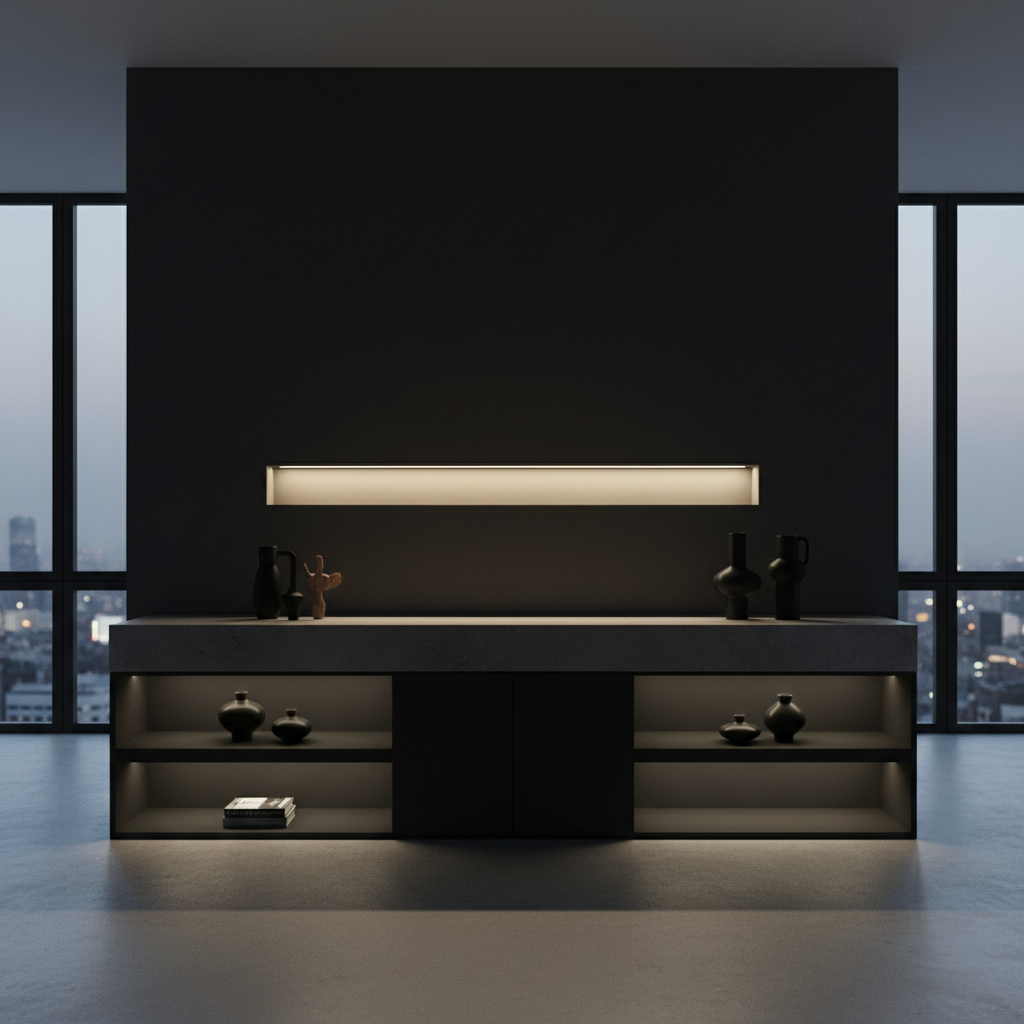
The Unseen Advantage: What Are Black PCB LED Strip Lights?
At their core, LED strip lights are flexible circuit boards studded with light-emitting diodes, designed for versatile illumination. However, the game changes significantly with the introduction of a black Printed Circuit Board (PCB). Unlike traditional white or green PCBs that can stand out against dark backgrounds, black PCBs are specifically engineered with dark-colored substrates and solder masks. This dark coloration allows the strip itself to blend discreetly into black, dark gray, or other deep-toned surfaces, making the hardware virtually invisible when the lights are off. The result is pure light, seemingly floating in space, without any distracting visual elements.
The evolution of LED strip lights has seen them move from simple utilitarian lighting to sophisticated design elements. Black PCB strips represent a significant step in this journey, prioritizing aesthetic integration alongside powerful illumination. You’ll find them in various configurations:
- SMD (Surface Mounted Device) LED Strips: Featuring individual LED chips like 5050 or 2835, these are common for their brightness and versatility in color options.
- COB (Chip on Board) LED Strips: These strips house multiple LED chips directly on the PCB, creating a continuous, dot-free line of light, which is highly sought after for premium, uniform illumination.
- Color Variations: From single-color white (warm, neutral, cool) to dynamic RGB (color-changing), RGBW (RGB with a dedicated white chip for truer whites), and tunable white options, black PCB strips offer a spectrum of possibilities.
Why Choose Black PCB LED Strips? Unveiling Their Superior Benefits
The decision to opt for black PCB LED strips goes beyond mere aesthetics; it delivers a host of functional advantages that elevate any lighting project.
Seamless Integration and Aesthetic Appeal
|
Our Picks for the Best LED strip light in 2026
As an Amazon Associate I earn from qualifying purchases.
|
||
| Num | Product | Action |
|---|---|---|
| 1 | Govee White LED Strip Lights, Upgraded 16.4ft Dimmable LED Light Strip 6500K Bright Daylight White, Strong Adhesive, 300 LEDs Flexible Tape Lights for Mirror, Kitchen Cabinet, Bedroom, Christmas Decor |

|
| 2 | dalattin White LED Strip Lights, 20ft Dimmable Super Bright 24V Led Tape Light 6500K 360 LEDs Lights for Bedrooms, Mirror, Kitchen, Home Decoration Daylight White |
|
| 3 | Govee 100ft RGBIC LED Strip Lights, Smart LED Lights Work with Alexa and Google Assistant, LED Lights for Bedroom WiFi App Control Segmented DIY Multiple Colors, Color Changing Light, (2 x 50ft) |
|
| 4 | DAYBETTER Led Strip Lights 32.8ft Kit with Remote and Power Supply Color Changing |
|
| 5 | White Led Strip Lights for Bedroom Small Dimmable LED Lights Strip 16.4ft Super Bright Flexible LED Tape Lights Rope Light for for Room Home Decor Luces Leds for Living Room Kitchen Vanity Mirror |
|
| 6 | NBBUFF Led Lights for Bedroom 50ft (1 Roll), Color Changing RGB Led Strip Lights with 60 Keys Remote and App Control, Music Sync Led Lights for Room Kitchen Party Home Decor |
|
| 7 | KSIPZE 100ft Led Strip Lights RGB Music Sync Color Changing Led Lights with Smart App Control Remote Led Lights for Bedroom Room Lighting Flexible Home Décor |
|
| 8 | Govee RGBIC LED Strip Lights, Smart LED Lights for Bedroom, Bluetooth LED Lights APP Control, DIY Multiple Colors on One Line, Color Changing LED Strip Lighting Music Sync, Home Decor, 16.4ft |
|
| 9 | Barrina (6 Pack LED T5 Integrated Single Fixture, 4FT, 2200lm, 6500K Super Bright White, 20W Utility LED Shop Light, Ceiling and Under Cabinet Light, Corded Electric with ON/Off Switch, ETL Listed |
|
| 10 | DAYBETTER LED Strip Lights 110ft, Smart Lighting Strips with App Remote Control, RGB Music Sync Color Changing Lights for Bedroom Kitchen Party Home Decor Luces led para cuarto (1 Roll) |
|
The most compelling reason to choose black PCB LED strips is their unparalleled ability to disappear. When installed on dark surfaces—be it under-cabinetry in a modern kitchen, behind a flat-screen TV, or within architectural coves—the black board fades into the background. This ensures that only the vibrant glow of the LEDs is visible, creating a sophisticated and integrated look. “Black PCB makes lighting effects appear out of the darkness and expands the range of what’s possible for lighting designers,” explains Rob Dempsey, Director of Scenic Sales at Environmental Lights. This characteristic is particularly valuable in minimalist designs where hardware distraction is undesirable.
Reduced Glare and Enhanced Contrast
Traditional white PCBs can reflect ambient light or even the LED’s own light, leading to unwanted glare or hot spots, especially in low-light environments. Black PCBs, conversely, absorb excess light. This light-absorbing property minimizes stray reflections and glare, focusing the emitted light and enhancing contrast. For applications like home theaters or stage lighting, where precise light control and deep visual immersion are paramount, this feature is invaluable, preventing the strip from ruining the atmosphere.
Improved Thermal Management and Longevity
High-performance LED strips generate heat, which needs to be efficiently dissipated to ensure optimal performance and longevity. Black PCBs, often constructed with advanced materials like aluminum or high-TG FR-4, can offer superior thermal management. The darker surface and material composition aid in absorbing and conducting heat away from the LEDs more effectively. This critical advantage prevents overheating, thereby prolonging the lifespan of your LED strips and maintaining consistent light output over time.
Versatility in Design and Applications
Despite their specialized aesthetic purpose, black PCB LED strips are incredibly versatile. They are available in various IP ratings, including weatherproof options, making them suitable for damp locations or even semi-outdoor installations where UV resistance is also incorporated. Their ability to blend in makes them ideal for:
- Discreet accent lighting in retail displays or art exhibitions.
- Dramatic backlighting in home cinemas or entertainment venues.
- Concealed task lighting under shelves or cabinets.
- Creative visual effects in bars, nightclubs, and theatrical sets.
Black PCB vs. White PCB LED Strips: A Comparative Overview
Understanding the differences between black and white PCB LED strips is crucial for making an informed decision. While both offer efficient illumination, their aesthetic and functional characteristics diverge significantly based on the PCB color.
| Feature | Black PCB LED Strips | White PCB LED Strips |
|---|---|---|
| Visibility | Blends seamlessly into dark surfaces; less visible | Stands out on dark surfaces; more visible |
| Light Reflection | Absorbs light, reducing glare and light spillage | Reflects light, potentially increasing lumen output slightly |
| Heat Management | Generally superior heat dissipation due to material | May require additional heat sinks in high-power applications |
| Aesthetic Impact | Creates “invisible” light source, sleek, high-end look | Can appear more utilitarian, may distract from lighting effect |
| Lumen Output | Slightly lower due to light absorption, but focused | Can appear brighter due to light reflection |
| Ideal Applications | Home theaters, bars, dark cabinetry, architectural accents, scenic lighting | Task lighting, commercial lighting, bright environments, art galleries, general illumination |
Ultimately, the choice hinges on your specific project’s aesthetic goals. If discreet lighting on dark surfaces is your priority, black PCB is the clear winner.
Navigating Your Purchase: A Comprehensive Black PCB LED Strip Buying Guide
Choosing the best black PCB LED strip involves considering several factors to ensure it meets your specific needs and delivers the desired effect.
1. Determine Your Needs
- Purpose: Is it for accent lighting, task lighting, or decorative effects?
- Location: Indoor or outdoor? Dry, damp, or wet environment? This dictates the required IP rating.
- Color & Brightness: Do you need single color, RGB, RGBW, or tunable white? What lumen output is appropriate for the space?
- Control: Do you need dimming, color changing, or smart home integration?
2. Key Specifications to Look For
- LED Type (SMD vs. COB): For a continuous, “dot-free” light, COB strips are superior. For brighter, more distinct points of light or specific color mixing with individual chips, SMD types like 5050 are excellent.
- Voltage (12V vs. 24V): 24V strips are generally preferred for longer runs (e.g., over 16 feet) as they experience less voltage drop, ensuring consistent brightness along the entire length. 12V strips are suitable for shorter applications.
- LED Density: Higher LED density (e.g., 60 LEDs/meter vs. 120 LEDs/meter) provides a more uniform light output and reduces the visibility of individual LED dots, especially important for visible installations.
- IP Rating:
- IP20/IP30: Non-waterproof, for dry indoor use.
- IP64/IP65: Splash-proof/dust-tight, suitable for damp locations like bathrooms or covered outdoor areas.
- IP67/IP68: Waterproof, for outdoor or even submersible applications.
3. Quality & Brand Considerations
While specific brand recommendations can vary, look for manufacturers known for quality components and rigorous testing. Check for certifications like UL Listed, RoHS, and CE, which ensure safety and environmental compliance. Read user reviews to gauge real-world performance and reliability. A reputable supplier will also offer a decent warranty, indicating confidence in their product’s lifespan.
4. Essential Accessories
Don’t forget the necessary accessories to complete your setup:
- Power Supply: A constant voltage LED driver (transformer) matched to your strip’s voltage (12V or 24V) and sufficient wattage. Always factor in about 20% extra wattage for safety.
- Controllers: For RGB, RGBW, or tunable white strips, a compatible controller (remote, wall switch, or smart home hub) is essential for color changing, dimming, and effects.
- LED Channels (Aluminum Profiles): These black aluminum extrusions serve multiple purposes: protecting the strip, aiding in heat dissipation, and providing a clean, finished look. They are especially useful for recessed or surface-mounted installations.
- Diffusers: Often used with channels, diffusers (frosted or milky white) soften the light, eliminate hot spots, and create a more uniform glow.
- Connectors & Wiring: Ensure you have the right connectors for easy installation, especially if you plan to cut and reconnect segments.
Expert Installation & Maintenance Tips for Black PCB LED Strips
Proper installation and simple maintenance are key to maximizing the lifespan and performance of your black PCB LED strips.
Before Installation
- Clean the Surface: Ensure the mounting surface is clean, dry, and smooth. Any dust, grease, or unevenness can compromise the adhesive backing.
- Measure and Plan: Carefully measure your installation area. Plan your power supply location and wiring path to keep it discreet.
- Test First: Before peeling off the adhesive, connect your LED strip to the power supply and controller to ensure everything works correctly.
Installation Steps
- Cut (if necessary): LED strips have designated cut marks (usually every few inches). Use sharp scissors to cut only on these marks.
- Prepare Wiring: If connecting multiple segments or attaching to a power supply, ensure secure, insulated connections. Soldering is often preferred for a robust connection, but quick connectors are available for simpler setups.
- Mount the Strip: Peel off the 3M adhesive backing and firmly press the strip onto your prepared surface. If using aluminum channels, insert the strip into the channel first, then mount the channel.
- Connect Power: Wire the strip to your LED driver, ensuring correct polarity (positive to positive, negative to negative).
- Connect Controller: If applicable, connect your controller between the power supply and the LED strip.
- Safety First: Always disconnect power before making any connections or adjustments. If you’re unsure, consult a qualified electrician.
Maintenance Tips
- Regular Cleaning: Gently wipe the strips with a dry or slightly damp cloth to remove dust and maintain brightness. Avoid harsh chemicals.
- Check Connections: Periodically inspect connections for any signs of loosening or corrosion, especially in damp environments.
- Troubleshooting Common Issues:
- Strip not lighting up: Check power supply, connections, and controller functionality.
- Flickering: Could be an inadequate power supply, loose connection, or faulty controller.
- Color inconsistencies: Ensure all sections are properly connected and the controller is functioning correctly.
Top Applications for Black PCB LED Strips
The discreet nature of black PCB LED strips opens up a world of creative possibilities, particularly in environments where the lighting hardware should remain unseen.
Home Theater & Entertainment Rooms
Imagine a cinematic experience where the screen seems to float, enveloped in a soft, ambient glow. Black PCB LED strips are perfect for backlighting TVs, projectors, and entertainment centers. They disappear against dark wall colors or cabinet finishes, providing immersive bias lighting that reduces eye strain and enhances visual contrast without distracting from the main show.
Under-Cabinet & Shelf Lighting in Modern Kitchens
For contemporary kitchens with dark cabinetry or open shelving, black PCB strips offer a clean, sophisticated look. They provide functional task lighting for countertops and elegant accent lighting for displaying decor, all while remaining hidden beneath the cabinet or shelf lip.
Bars, Restaurants & Nightclubs
In commercial settings where ambiance is everything, black PCB LED strips excel. They can highlight architectural features, illuminate bar tops, create dramatic cove lighting, or accent display cases, making the light appear to emanate organically from the space itself, rather than from visible fixtures.
Architectural Accents & Cove Lighting
Whether outlining a dropped ceiling, accentuating a textured wall, or illuminating a subtle alcove, black PCB strips seamlessly integrate into the structure. This creates a refined, indirect lighting effect that adds depth and dimension to any interior design.
Gaming Setups & PC Backlighting
Gamers and tech enthusiasts often favor dark, minimalist setups. Black PCB LED strips are ideal for backlighting monitors, desks, and PC cases, creating a vibrant, personalized glow that enhances the gaming experience without the distraction of visible circuit boards.
Conclusion
Black PCB LED strip lights stand as a testament to how intelligent design can elevate functionality and aesthetics. Their unique ability to blend into dark surfaces transforms lighting from a visible fixture into an integrated element of your space, delivering pure, unadulterated illumination. By absorbing light and minimizing glare, they create sophisticated, immersive environments that traditional white PCBs simply cannot match. Whether you’re envisioning a high-tech home theater, a sleek modern kitchen, or a dramatic commercial interior, choosing black PCB LED strips allows you to experience light as an art form—unseen, yet undeniably impactful. Ready to transform your dark spaces with lighting that truly disappears?